
VACCINES
Vaccines help your pet’s immune system recognize and fight off disease before it causes harm. They work by triggering antibody production, preparing your pet to defend against future infections.
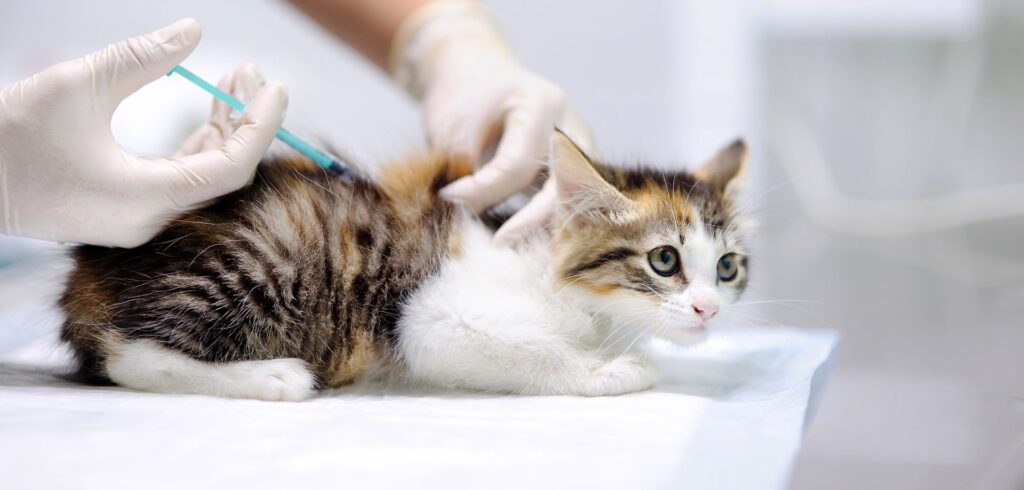
Young animals are highly vulnerable to disease because their immune systems are still developing. While they receive temporary protection from their mother’s milk, this fades over time.
- The first vaccine dose introduces the immune system to the disease.
- Booster doses strengthen the response, ensuring long-term immunity.
- Puppies and kittens receive a series of vaccinations every 2-4 weeks, with the final dose typically around 4 months old.
- Your veterinarian may adjust the schedule based on your pet’s needs.
✔ Prevents serious illnesses that could be life-threatening.
✔ Saves money by avoiding costly treatments for preventable diseases.
✔ Protects both pets and people from contagious diseases.
✔ Keeps your pet safe from rabies, distemper, and other diseases found in wildlife.
✔ Required by many pet services like boarding, daycare, and training facilities.
✔ Often mandated by law, even for indoor pets.
Vaccines are highly effective when given on schedule, though no vaccine provides 100% immunity. Following your vet’s recommended vaccination plan ensures the best protection.
- Core vaccines (recommended for all pets) protect against the most common and dangerous diseases:
- Canine Distemper – A serious virus affecting the respiratory, nervous, and digestive systems.
- Canine Parvovirus – A severe and often fatal virus that attacks the intestines.
- Rabies – A deadly virus that affects the nervous system and is fatal once symptoms appear.
- Canine Influenza – Protects against a contagious respiratory infection that causes coughing, fever, and lethargy.
- Feline Panleukopenia (Feline Distemper) – A highly contagious and deadly virus that weakens the immune system.
- Non-core vaccines are given based on lifestyle and risk factors, like location or exposure to other animals:
- Leptospirosis – A bacterial infection that can cause kidney and liver damage and can spread to humans.
- Bordetella – Recommended for dogs that visit places where other dogs gather, like boarding, daycare, and training facilities.
- Lyme Disease – Recommended for dogs in areas where disease-carrying ticks are common.
It’s common for pets to experience mild, short-lasting side effects after receiving a vaccine, usually starting within hours of the vaccination. You may notice one or more of these signs:
- Tenderness and swelling at the vaccination site
- Tiredness
- Mild fever
- Decreased appetite
- Sneezing, mild coughing, or other respiratory signs (for intranasal vaccines, usually 2-5 days after vaccination)
These minor side effects usually go away on their own within 24 hours. If they last longer or your pet seems extremely uncomfortable, contact your veterinarian.
It’s also possible for a small, firm swelling to develop at the vaccination site. This should start to disappear within a couple of weeks. If it lasts more than three weeks, seems painful, or is getting larger, contact your veterinarian.
While rare, allergic reactions to vaccines can be life-threatening and may occur within minutes to hours after vaccination. Seek emergency veterinary care if your pet shows any of these signs:
Severe allergic reaction symptoms:
- Fainting or collapse
- Persistent vomiting or diarrhea
- Persistent and severe coughing
- Difficulty breathing
- Red, itchy bumps all over the body (“hives”)
- Swelling around the face, nose, eyes, or neck
Always inform your veterinarian if your pet has had a previous reaction to any vaccine or medication. If you’re concerned about an allergic reaction, consider staying at the veterinary clinic for 30-60 minutes after vaccination before taking your pet home.