
The Canine Escape Artist
Escaping is a serious issue that puts your dog at risk of injury, accidents, and legal consequences. Understanding why your dog is escaping is key to preventing it.
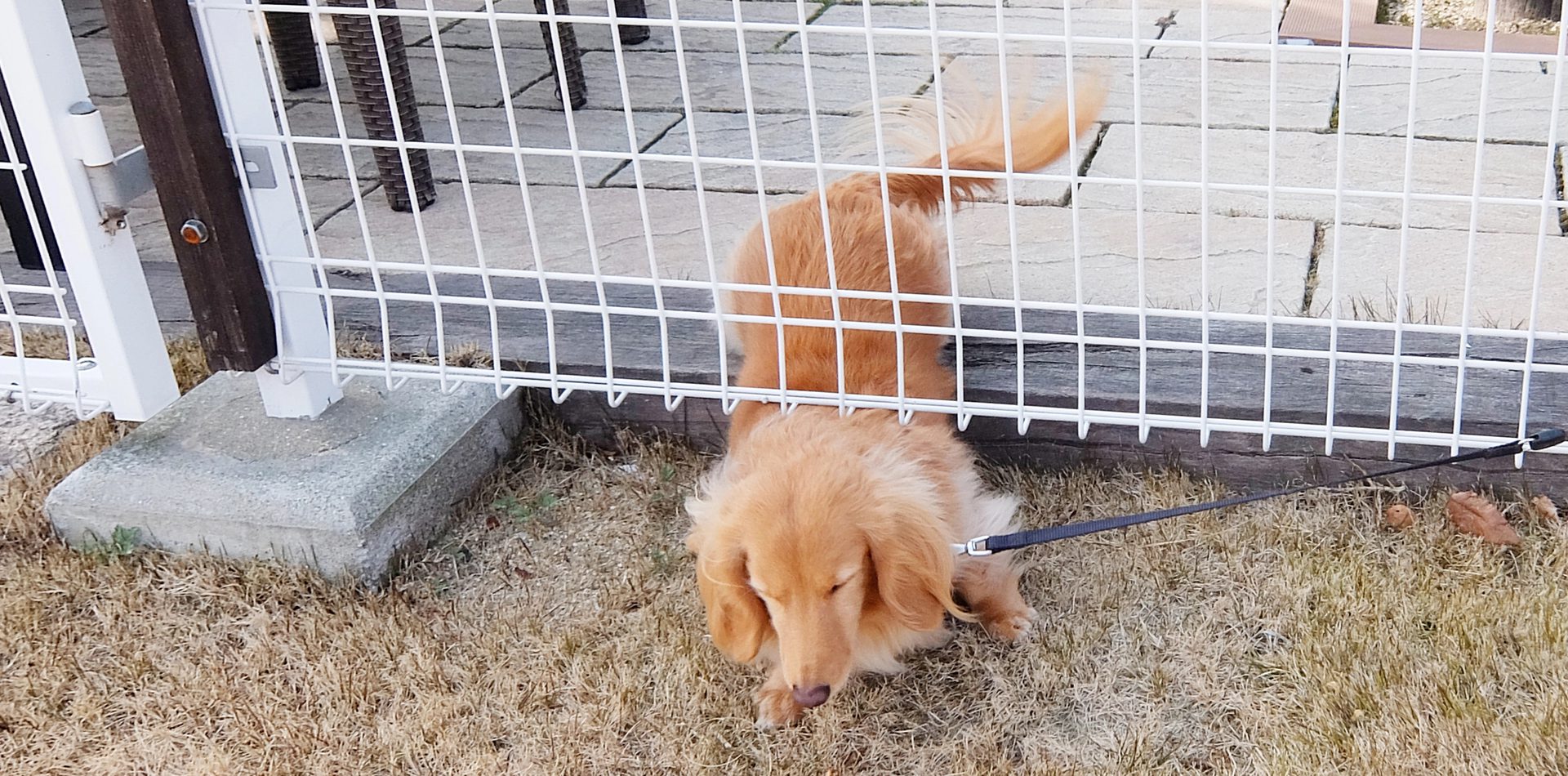
Why Dogs Escape & How to Prevent It
Dogs may escape due to loneliness or lack of stimulation, especially if left alone for long periods.
- Increase exercise with daily walks and interactive play.
- Provide mentally stimulating toys and rotate them regularly.
- Ensure quality time with training, affection, and activities.
- Consider doggie daycare or a pet sitter if you’re away often.
Sexual Roaming
Intact dogs may escape to seek mates, especially around six months of age.
- Neuter males & spay females. This reduces roaming behavior significantly.
- Prevent an established escape habit by spaying/neutering early.
Fear & Phobias
Dogs may flee in response to loud noises (thunder, fireworks, construction).
- Identify and desensitize your dog to fear triggers.
- Keep them indoors in a quiet, safe space with background noise.
- Consult a veterinarian about anti-anxiety solutions if necessary.
Separation Anxiety
Some dogs escape immediately after you leave due to stress and attachment issues.
- Use desensitization and counter-conditioning techniques.
- Gradually increase alone time in small increments.
- Seek professional help if the issue persists.
How Dogs Escape & Solutions
- Jumping/Climbing: Add an inward-tilted extension to your fence.
- Digging: Bury chicken wire or place large rocks at the fence base.
- Gate Opening: Use secure locks or latches to prevent escape.
Avoid Punishment
- Only correct your dog in the act of escaping, not after they are loose.
- Never punish fear-driven or separation anxiety-related escapes—it can worsen the problem.
With proper management, training, and supervision, you can keep your dog safe and prevent escape behaviors.